
Loading...
Serving Plant City, FL and surrounding areas. (656) 300-1404
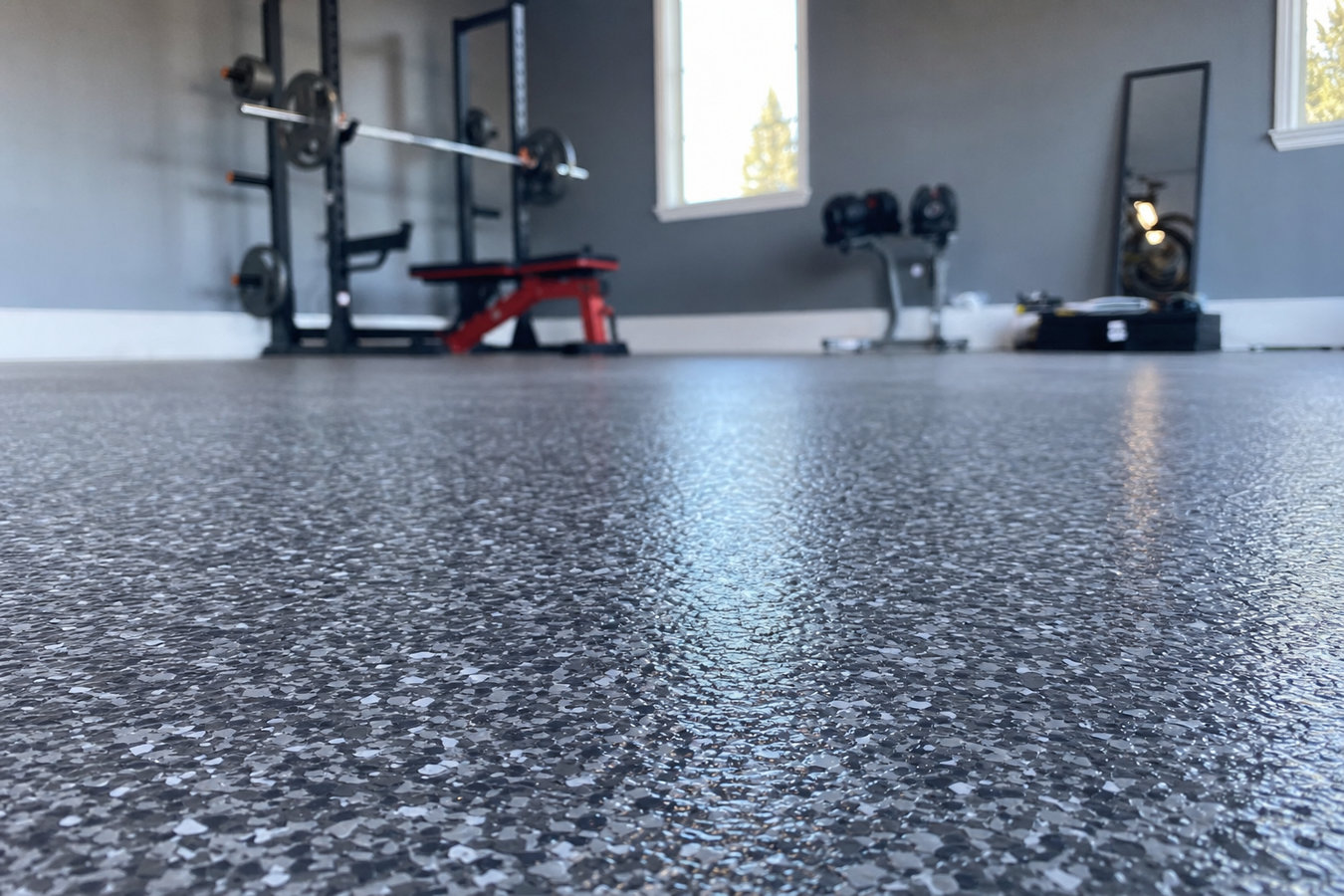
Standard epoxy yellows and softens in Plant City's heat. Polyaspartic coatings are built for exactly these conditions - faster to install, faster to cure, and built to last through years of Florida summers without lifting or fading.
Polyaspartic floor coatings in Plant City bond directly to prepared concrete and cure into a hard, glossy surface that resists stains, heat, UV exposure, and chemical spills, most residential jobs are completed start to finish in a single day with the floor walk-ready within hours.
The main difference from standard epoxy is how the product handles Florida's conditions. Epoxy coatings can yellow and soften when exposed to sustained heat above 90 degrees - which is exactly what Plant City garages see for months every summer. Polyaspartic formulas were developed specifically for high-temperature environments and hold their color and hardness far better over time. They also cure much faster, so you are not locked out of your garage for days waiting for the surface to set.
If you are comparing coating options and want to see how these products fit a full garage renovation, our garage floor coatings page covers the full range of systems we offer - including which product suits which type of use.
If you had a coating applied years ago and it is starting to lift at the edges, turn yellow, or bubble up in spots, that is a sign the old product has reached the end of its life - or was never suited to Florida's heat in the first place. A fresh polyaspartic application over properly prepared concrete will outlast what you have now by years.
Small cracks and surface flaking are common in older Plant City homes where the original concrete has been exposed to decades of heat, moisture, and soil movement. These do not always mean the slab is failing, but they do mean the surface is breaking down. Addressing them before coating protects what you have already paid for.
Florida's rainy season means water regularly blows into garages or tracks in from outside, and a smooth, worn concrete surface becomes slippery when wet. A polyaspartic coating with a textured finish or anti-slip additive gives you a surface that stays safer underfoot even when it is damp.
If you are finishing your garage as a workshop, gym, or studio, bare concrete looks unfinished and is hard to keep clean. A coated floor changes the feel of the space completely - it is easier to sweep, more comfortable to stand on, and looks like it belongs to the rest of the house.
Every polyaspartic job starts the same way: mechanical diamond grinding to open the concrete surface, a moisture check, crack filling, and a primer coat if the test warrants it. That prep work is what separates a coating that lasts a decade from one that starts peeling within a year. We then apply the polyaspartic base coat, add decorative color flakes if you have chosen them, and seal everything with a clear topcoat. The result is a smooth, glossy, non-porous surface that can handle spills, hot tires, and daily use without losing its finish.
Polyaspartic is a strong default choice for most Plant City garages, but it is not the only option. If your project calls for a more decorative finish - flowing metallic patterns or a showroom look - our metallic epoxy flooring service delivers that aesthetic with the same prep standards. For homeowners focused on the full garage renovation package, our garage floor coatings page covers every system we offer so you can compare side by side.
A clean, uniform finish. Heat-stable and UV-resistant - the right choice for Plant City garages that see sustained high temperatures.
Color chips scattered into the wet coat add texture and grip, help hide minor imperfections, and give the floor a finished, showroom appearance.
A fine aggregate added to the topcoat increases traction underfoot - useful in Plant City's rainy season when moisture tracks in from outside.
An additional clear sealing layer over the base system for heavily used spaces - workshops, home gyms, or commercial applications needing extra abrasion resistance.
Plant City sits in Hillsborough County where summer temperatures regularly top 90 degrees and humidity stays high for months at a time. That combination causes concrete to expand, contract, and absorb moisture in ways that accelerate surface breakdown - and it causes standard epoxy coatings to yellow and soften far faster than manufacturers suggest in their spec sheets written for cooler climates. Polyaspartic coatings were developed precisely because older products could not hold up in environments like this. For a Plant City garage that sees direct sun and stays hot all summer, the product choice genuinely matters.
Plant City also sees some of the heaviest afternoon storm activity in the region from June through September, which means moisture regularly enters garages through open doors and from the slab below. Homeowners in Valrico and Seffner face the same conditions, and the scheduling question - dry season versus summer installation - is just as relevant there. We work year-round, but the October through April window consistently produces the most reliable cures and the best long-term results.
We reply within one business day. We ask a few quick questions - floor size, current condition, how you use the space - so we can give you a useful first answer before we schedule a visit.
We walk the floor, check for cracks or previous coatings, and run a moisture test. You get a written estimate with the full scope - prep work, coating system, and timeline - before we book installation.
The crew arrives and spends the first few hours grinding the concrete, filling cracks, and applying primer if moisture was found. This is the loudest part of the process and the part that most determines how long the coating holds.
Base coat, optional flakes, and clear topcoat go down in sequence. Most polyaspartic surfaces are safe to walk on within a few hours and ready for vehicles within 24 hours. We walk the finished floor with you before leaving.
Free written estimates. Walk-ready the same day. Replies within one business day.
We only use polyaspartic formulas rated for high-temperature environments - not generic coatings that happen to be labeled polyaspartic. In Plant City's heat, that distinction is the difference between a floor that holds up for a decade and one that starts yellowing in year two.
Vapor transmission from below the slab is the leading cause of coating failures in Hillsborough County. We test every floor before we start and address the problem with a moisture-blocking primer if needed. You cannot see it from the surface, but skipping this step in Plant City's climate is a guarantee of early failure.
Many Plant City homes were built in the agricultural-era neighborhoods of the 1950s through 1970s, with thinner, more porous slabs that need extra prep. We are used to working with this type of concrete - budgeting the right amount of prep time and not cutting corners on crack repair or surface profiling.
You will have a written estimate breaking down prep work, coating system, and timeline before we schedule anything. No surprise add-ons after the crew arrives.
American Society of Concrete ContractorsPlant City homeowners who have had a coating fail before tend to become our most satisfied customers - because once they see the difference proper prep and the right product make, the result speaks for itself.
For a technical overview of polyaspartic chemistry and performance, the Concrete Network polyaspartic guide is a reliable starting point. Tampa Bay weather patterns that affect scheduling are tracked by NWS Tampa Bay.
Flowing, high-gloss decorative finishes for garages and living spaces that want a showroom look beyond standard color options.
Learn MoreA full comparison of every coating system we offer for residential garages - epoxy, polyaspartic, flake broadcast, and clear topcoat options.
Learn MoreMost Plant City jobs are done in a single day - call now to lock in a date before the Florida Strawberry Festival season fills the schedule.