Loading...
Serving Plant City, FL and surrounding areas. (656) 300-1404
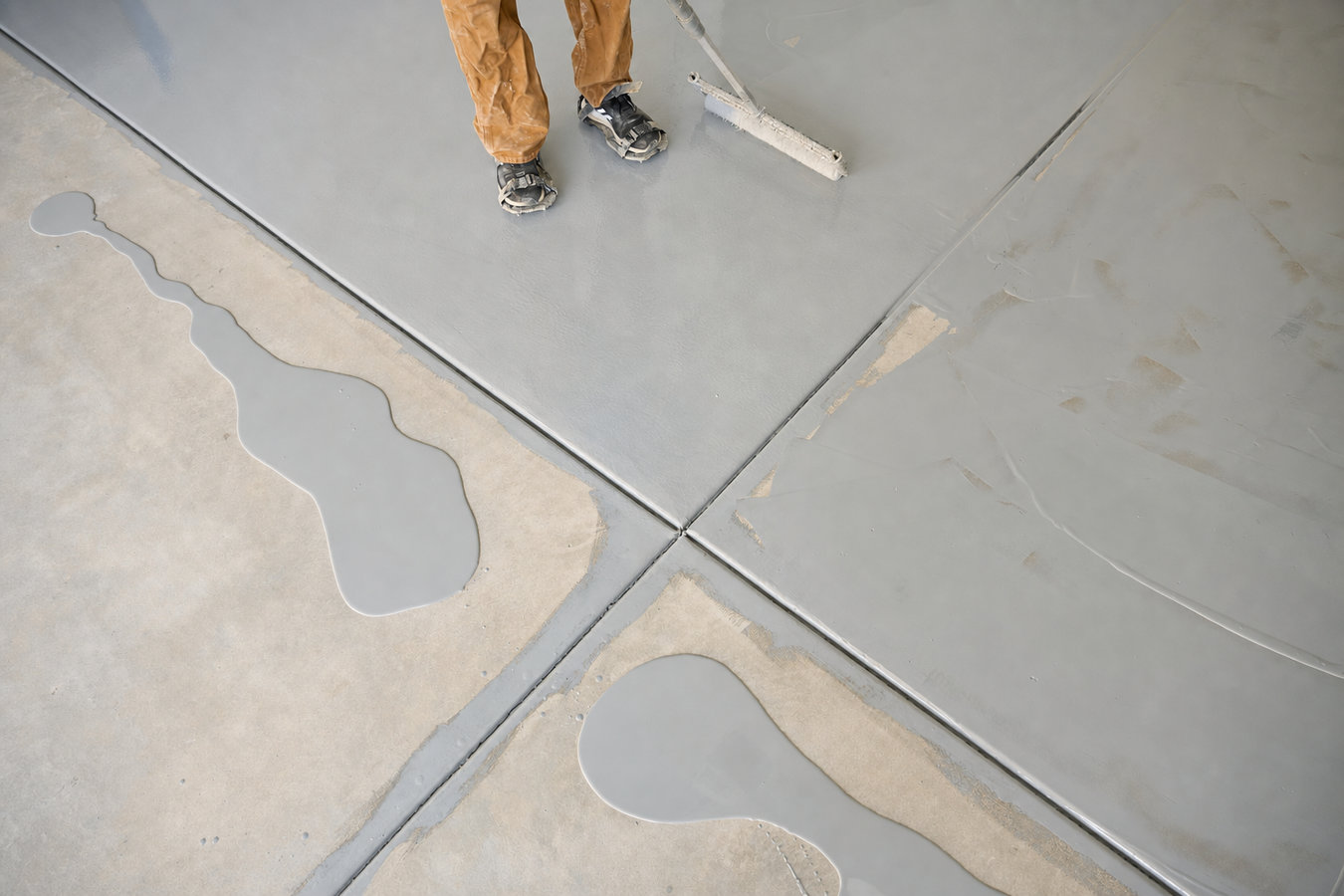
Unsealed concrete in Plant City absorbs rain, oil, and mold year-round. A professional sealer stops that cycle and protects the surface you've already paid for.
Concrete sealing in Plant City means applying a protective layer over your driveway, patio, pool deck, or garage floor so water, oil, and stains cannot soak in. Most residential jobs - pressure washing, crack filling, and sealer application - take a few hours on the day of work, with a 24-to-48-hour wait before foot traffic and up to 72 hours before parking a vehicle.
Think of it like a raincoat for your concrete. Without a sealer, your driveway acts like a sponge - absorbing every afternoon downpour, every oil drip, every patch of mold that takes hold in a shaded corner. Plant City's climate makes this more urgent than in cooler, drier states. Over 230 sunny days per year means constant UV exposure breaking down the surface, and near-daily summer storms push water into every unsealed crack and pore. If you are also considering having the slab ground or profiled before sealing, our concrete grinding and surface preparation service handles that first step and sets the sealer up to bond properly.
Pour a small cup of water on your driveway or patio. If it soaks in within a few seconds and darkens the surface, the sealer has worn out - or there was never one applied. This is the clearest sign your concrete is unprotected. In Plant City's rainy season, unprotected concrete like this absorbs water damage quickly and is far more likely to develop surface cracks.
If you see black streaking, green tinting, or slippery patches - especially in shaded spots under trees or on the north side of your home - that is mold, mildew, or algae. This is extremely common in Plant City's humid climate and gets worse every rainy season if the surface is not sealed. It is also a slip hazard on walkways and pool decks.
Concrete that once looked solid gray or had a slight sheen but now looks washed out and powdery has lost its surface protection. Plant City's intense sun breaks down the top layer of concrete over time, leaving it chalky and vulnerable to staining and cracking. If rubbing your hand across the surface leaves a gray dust on your palm, the concrete needs attention.
Hairline cracks that appear after wet seasons are a sign that water is getting into the slab and the expansion-and-contraction cycle is taking a toll. In Plant City, where soils shift and summer rains are heavy, these small cracks can grow quickly if left alone. Sealing after filling those cracks stops water from getting in and making them worse each year.
We seal driveways, patios, pool decks, walkways, and garage floors throughout Plant City. The process always starts the same way: pressure washing the surface completely clean, allowing it to dry fully, filling any cracks or low spots, and then applying the sealer evenly across the entire surface. Rushing any of those prep steps - especially applying to a damp surface - produces a sealer that hazes, peels, or bubbles within weeks. That is why we will sometimes schedule the cleaning and the sealing on separate days when the forecast calls for rain or when humidity is too high to guarantee a dry surface.
Sealer type matters for long-term performance in this climate. Penetrating sealers soak into the concrete and protect from the inside without changing the look - they tend to last longer in high-traffic areas and are nearly invisible when applied. Topical sealers sit on the surface and give you a glossy or wet look that many homeowners prefer on patios and driveways. We walk through the options with you before anything is applied. If your concrete needs more than a sealer - say, a full resurfacing to address widespread surface damage - our concrete resurfacing and overlays service handles that as a separate scope of work.
Soaks into the concrete and protects from the inside - nearly invisible finish, long-lasting in high-traffic areas like driveways and walkways.
Sits on the surface and gives a glossy or wet-look sheen - popular for patios and pool decks where appearance matters as much as protection.
Includes properties that slow mold and mildew regrowth after cleaning - well suited to Plant City homes with shaded driveways or surfaces under large oak trees.
Fills and stabilizes hairline cracks before the sealer goes down - stops water from entering and widening them through each wet season.
Plant City sits in Hillsborough County, one of the most rain-heavy counties in the United States. From June through September, afternoon thunderstorms are nearly daily, and concrete that is not sealed absorbs that water repeatedly. That wet-dry cycle is one of the fastest ways to develop surface cracks - which means sealing is not optional maintenance here, it is genuinely protective. The ideal scheduling window is October through April, when the rainy season has wound down and temperatures are moderate enough for sealers to cure predictably. Sealing during peak summer heat or right before a storm produces inconsistent results. Plant City also averages over 230 sunny days per year, and the UV intensity in this part of Florida degrades unprotected concrete faster than most homeowners expect - surfaces fade, chalk, and pit earlier than they would in a cooler climate. The Portland Cement Association notes that sealing is one of the most effective ways to extend the service life of concrete in high-exposure environments.
We serve homeowners throughout Plant City and surrounding areas, including Seffner and Zephyrhills, where the same humidity, sandy soils, and older housing stock create identical sealing challenges. Many of the homes in Plant City's established neighborhoods have driveways and patios that have never been sealed - or were last sealed many years ago - and those surfaces are typically more porous and more likely to need a second coat.
We ask a few basic questions about the surface, size, and any staining or cracking you have noticed. You will hear back within one business day to schedule a visit. We never give a firm price over the phone without seeing the concrete in person.
We walk your property and check the concrete's condition, look for cracks that need filling, and assess how much cleaning prep is needed. This visit is free and takes about 15 to 30 minutes. You get a written estimate before we schedule any work.
The crew pressure washes the entire surface to remove dirt, mold, oil, and any old sealer that is flaking. Cracks are filled before anything else goes down. This prep step is the most important part - a sealer applied to a dirty or damp surface will not bond and will peel within weeks.
Once the surface is clean and fully dry, the sealer is applied evenly across the entire area. You will notice the surface looks richer as it goes on. Plan on 24 hours for foot traffic and 48 to 72 hours before parking. Your contractor gives you a specific timeline before leaving.
Free on-site assessment. Written estimate. No work starts until you approve the price.
Plant City's humidity makes this a real risk on every job. We check conditions before applying and will reschedule the sealing day if the surface is not ready - even if the cleaning was already done. A sealer applied to damp concrete will fail, and we are not willing to do that to your driveway.
Not every sealer performs well under Plant City's UV exposure, heavy rain, and persistent mold pressure. We recommend products suited to Central Florida conditions - including UV-resistant formulations and mildewcide options for shaded surfaces - rather than defaulting to whatever is cheapest.
You get a clear written quote after the in-person visit that spells out exactly what the work involves - surface prep, crack filling, number of coats, and total cost. There are no added charges after the fact. The price you agreed to is the price on the invoice.
We schedule sealing jobs for conditions that give the product the best chance to cure - typically October through April for Plant City. If you book in summer, we start early in the day and monitor the forecast closely. We tell you honestly if conditions that week are not right for the job.
The Concrete Network consistently identifies poor surface preparation and applying sealer to damp concrete as the two leading causes of sealer failure. We build both of those protections into every job we take - because a sealer that lasts two to five years as it should is a better outcome for you and a better reflection of our work.
When surface damage goes deeper than a sealer can address, resurfacing applies a fresh layer over the existing slab and restores the look without a full replacement.
Learn MoreDiamond grinding opens up the concrete surface so a new sealer bonds correctly - the recommended first step for older or previously coated slabs.
Learn MorePlant City's summer storms start in June - protect your driveway or patio now while October-to-April conditions are ideal for sealing.